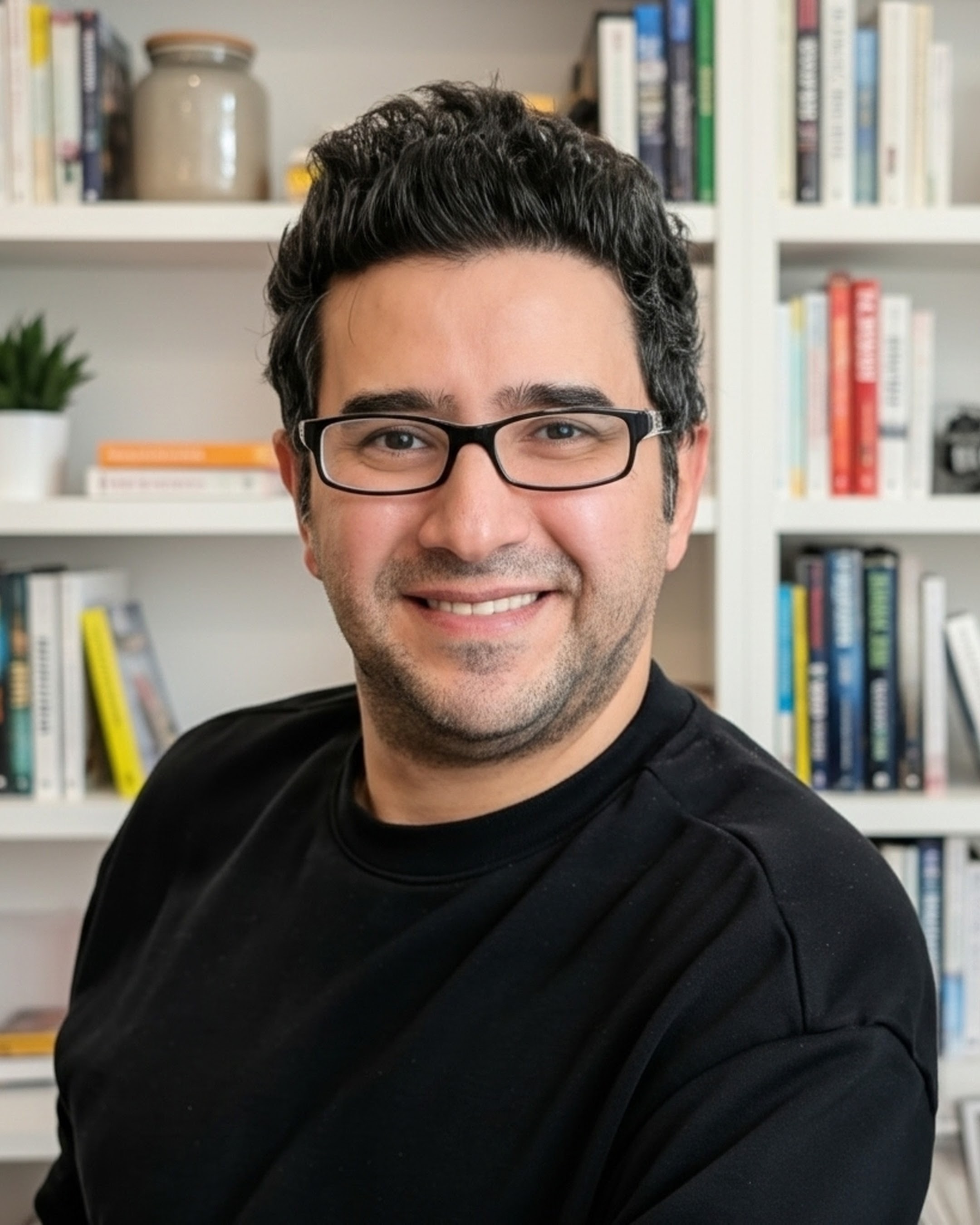
English Language Educator & PhD Researcher in Language Education & Multilingualism at the University at Buffalo.
I am an English language educator with over 15 years of teaching experience across universities, schools, language institutes, and refugee education settings in Syria, India, and the United States.
My work sits at the intersection of language education, multilingualism, and social equity, with a particular focus on supporting learners from displaced and underserved communities.
I am currently pursuing a PhD in Language Education & Multilingualism at the University at Buffalo, building on my Ed.M. in TESOL and my earlier graduate work in Applied Linguistics from Damascus University.
Designing instruction around learner needs, communicative goals, and real-world language use.
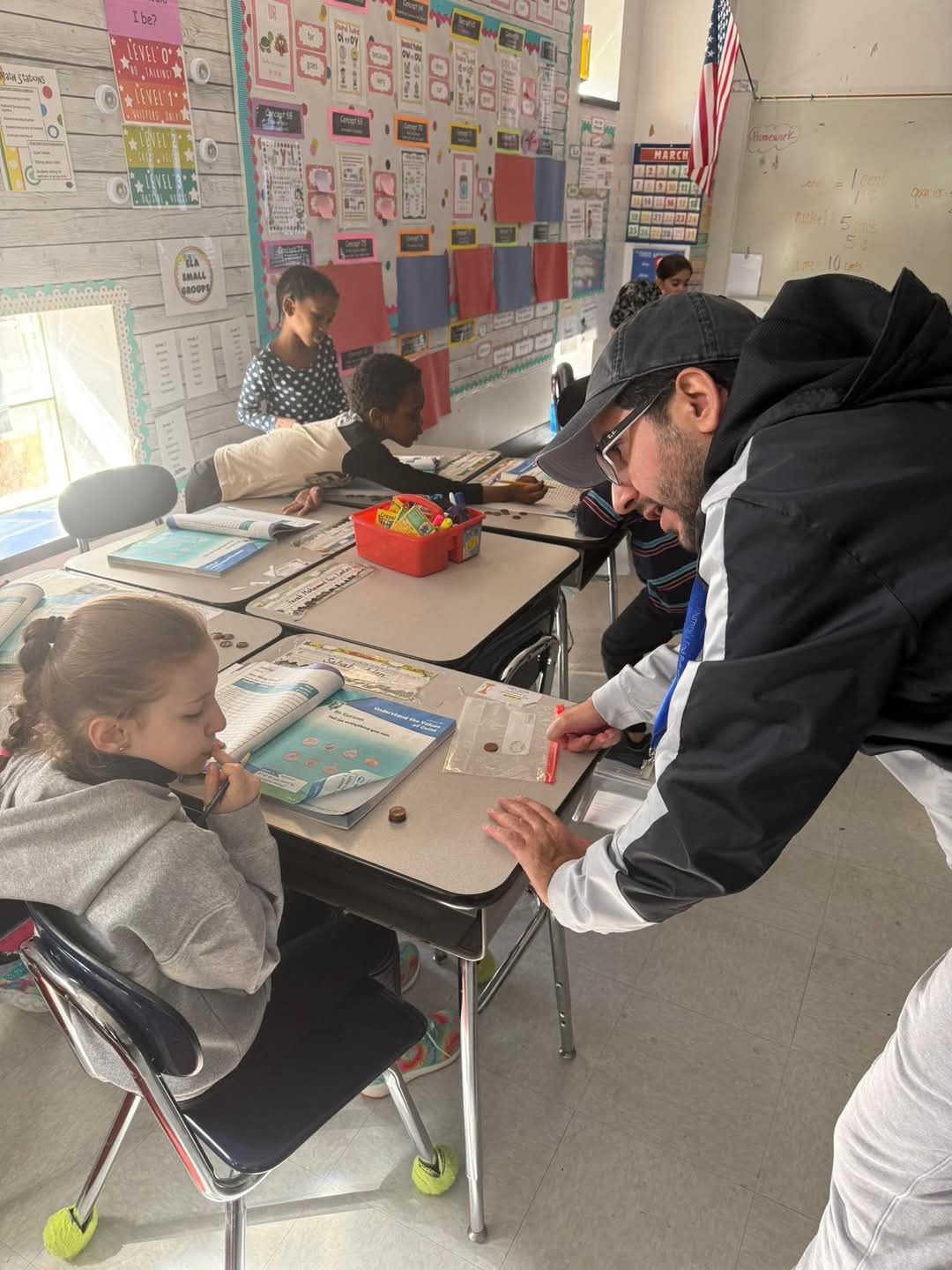
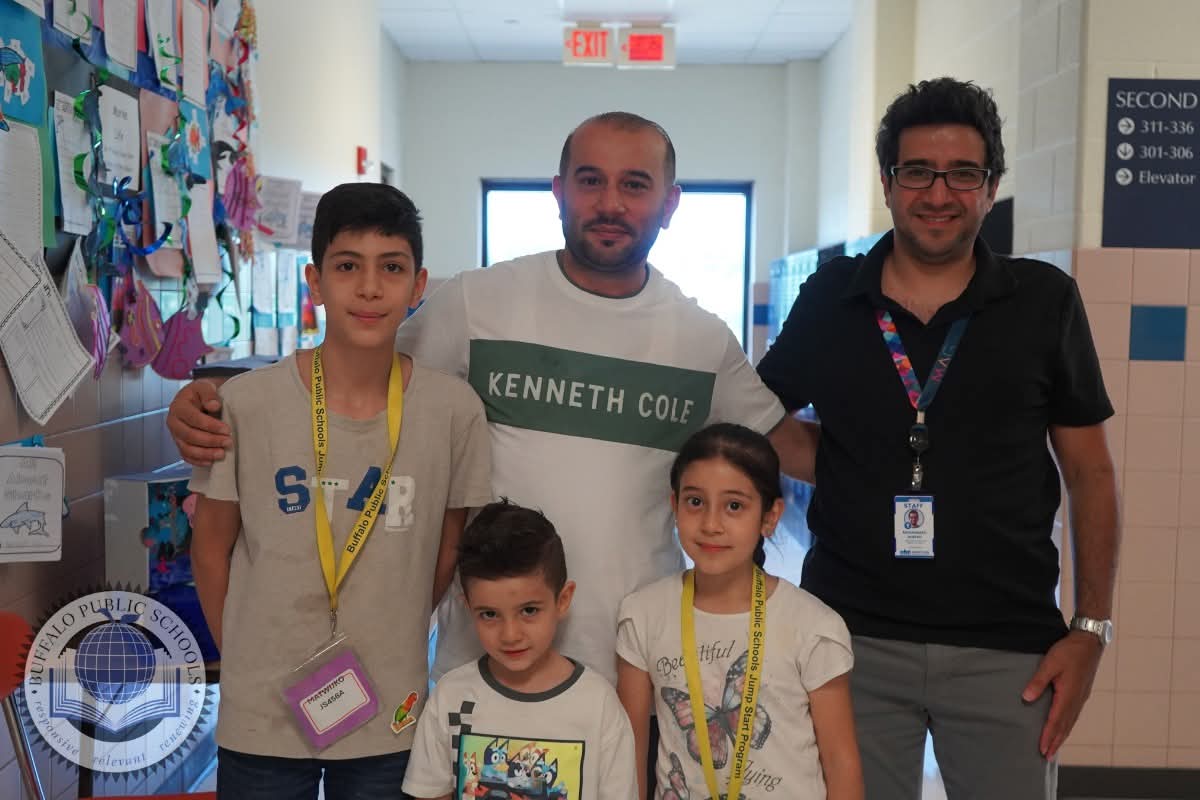
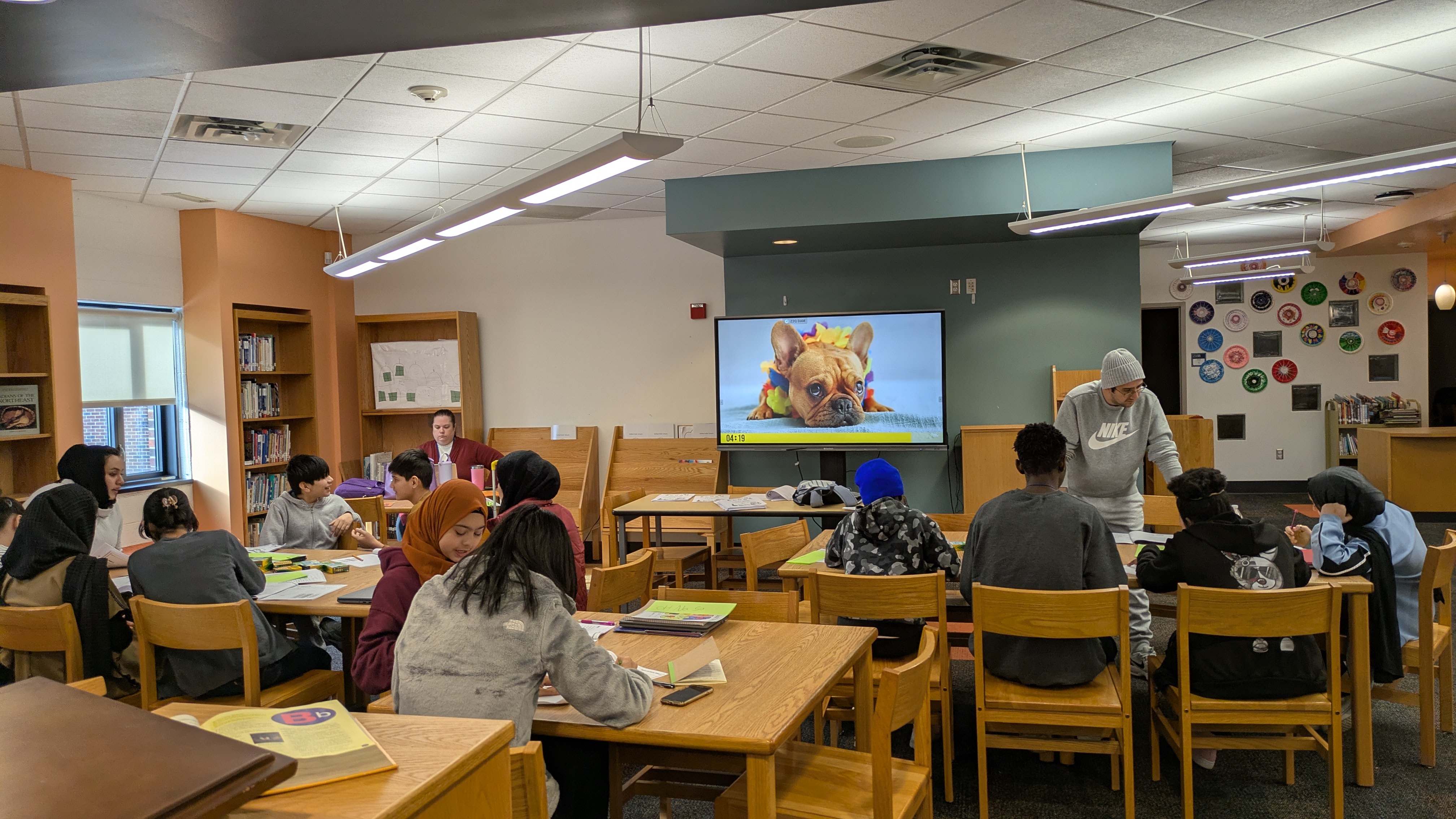
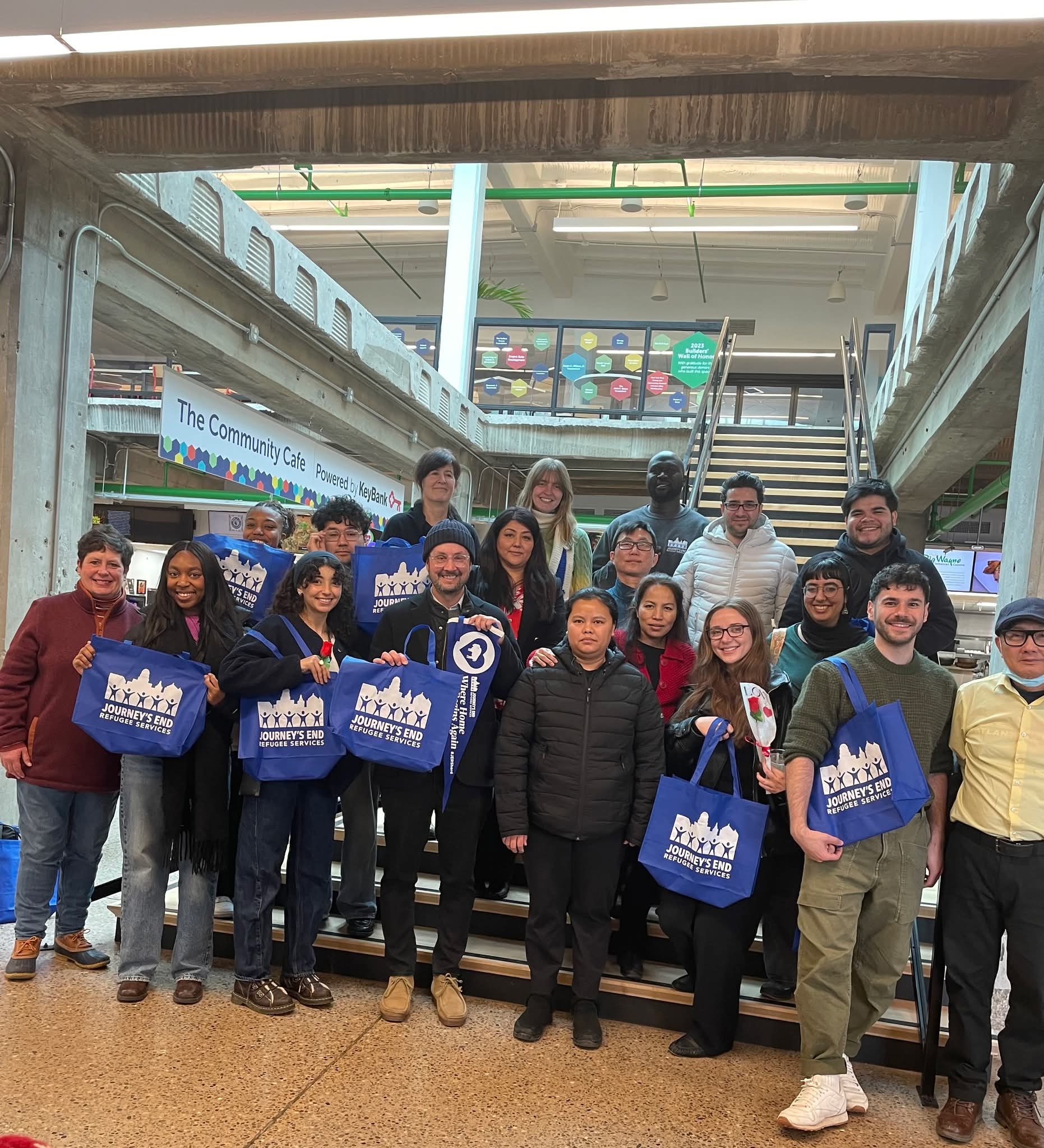
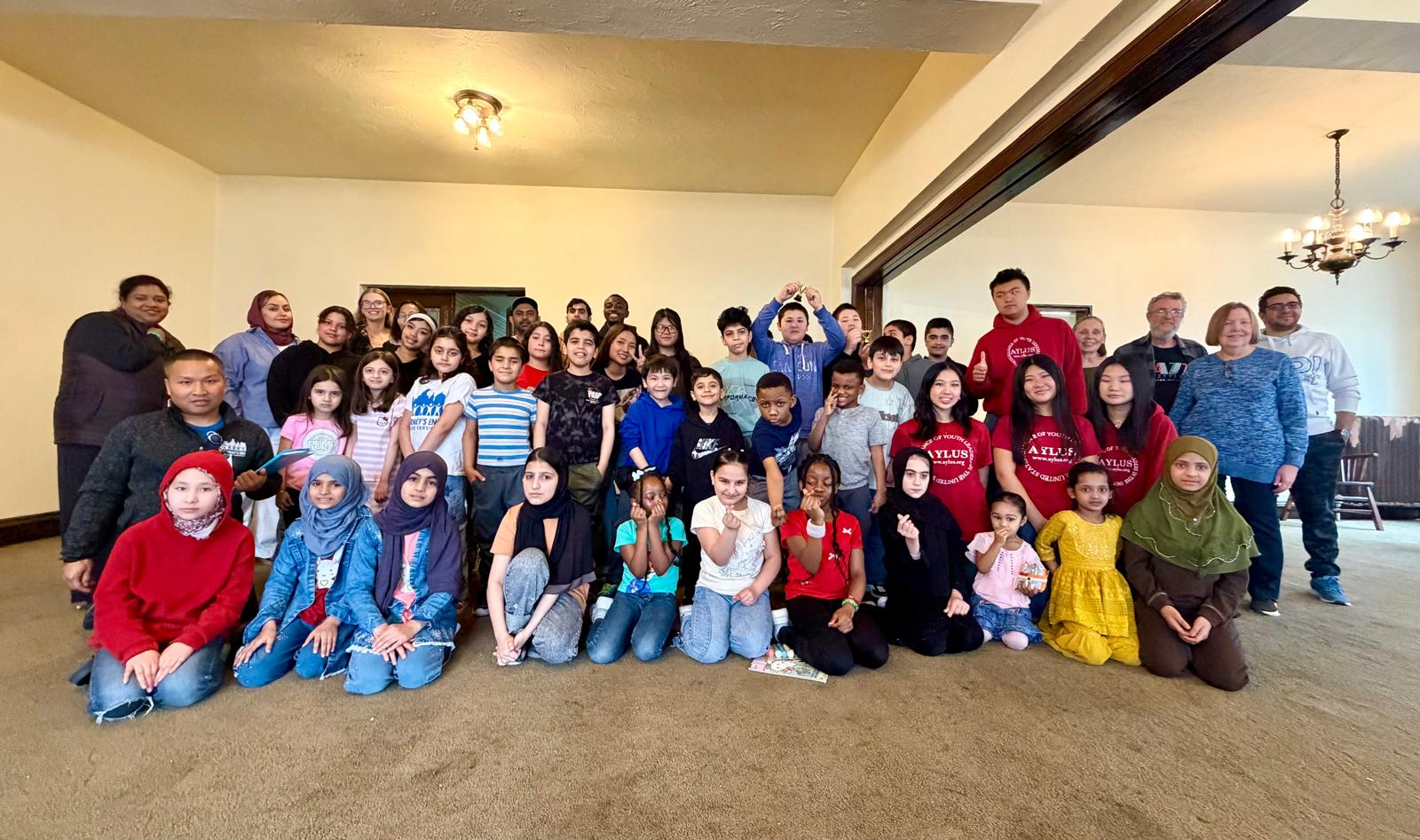
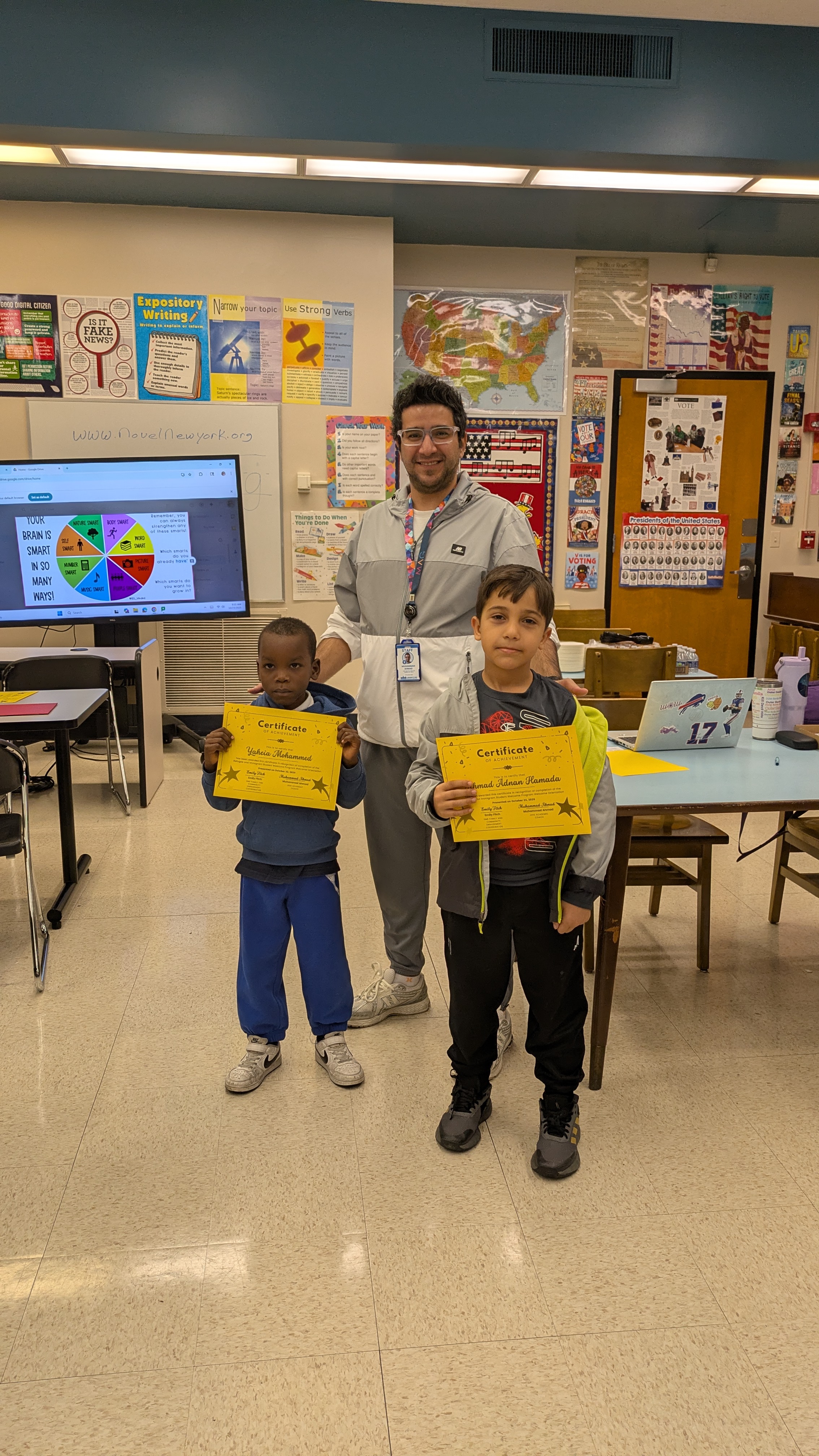
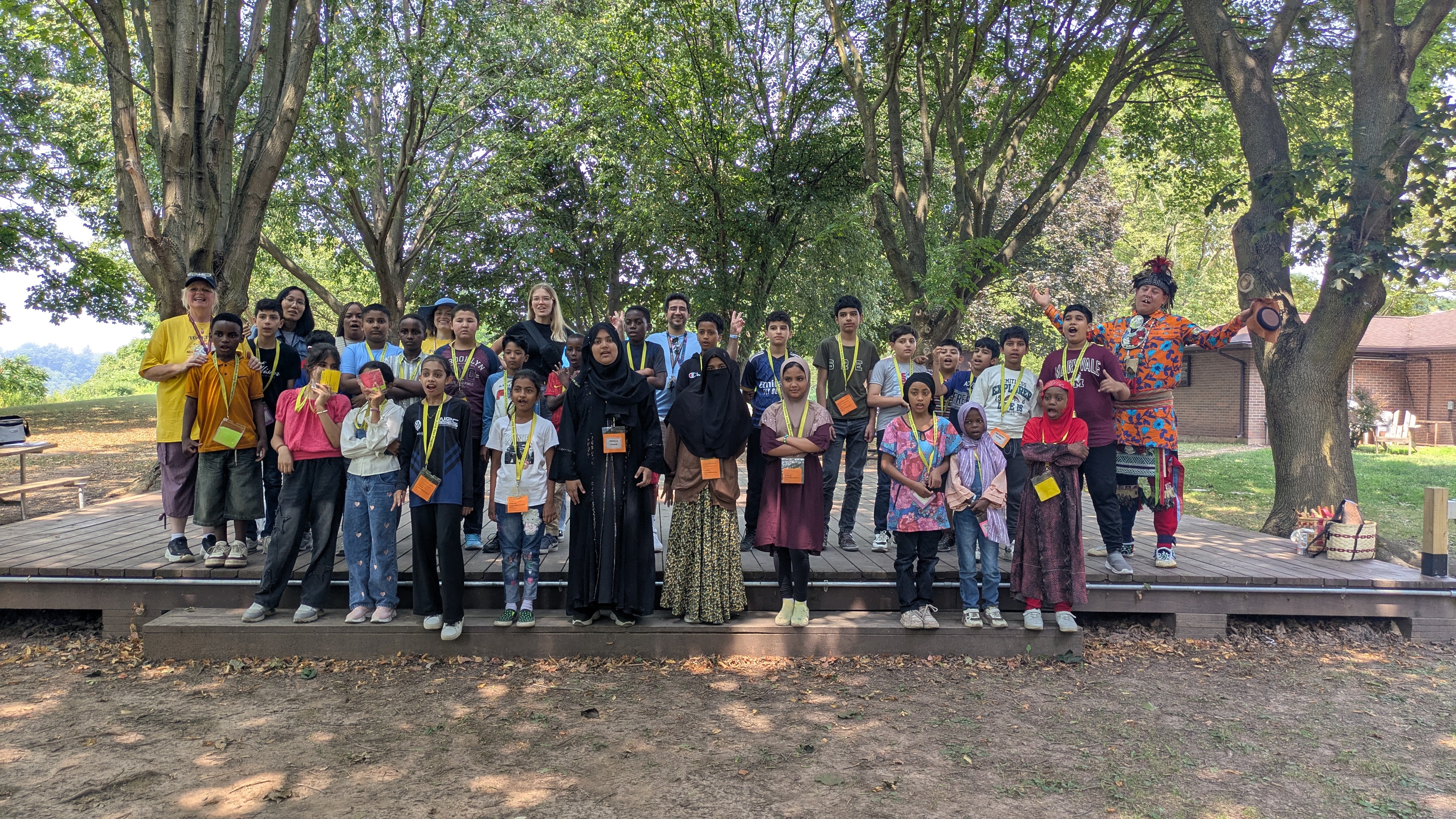
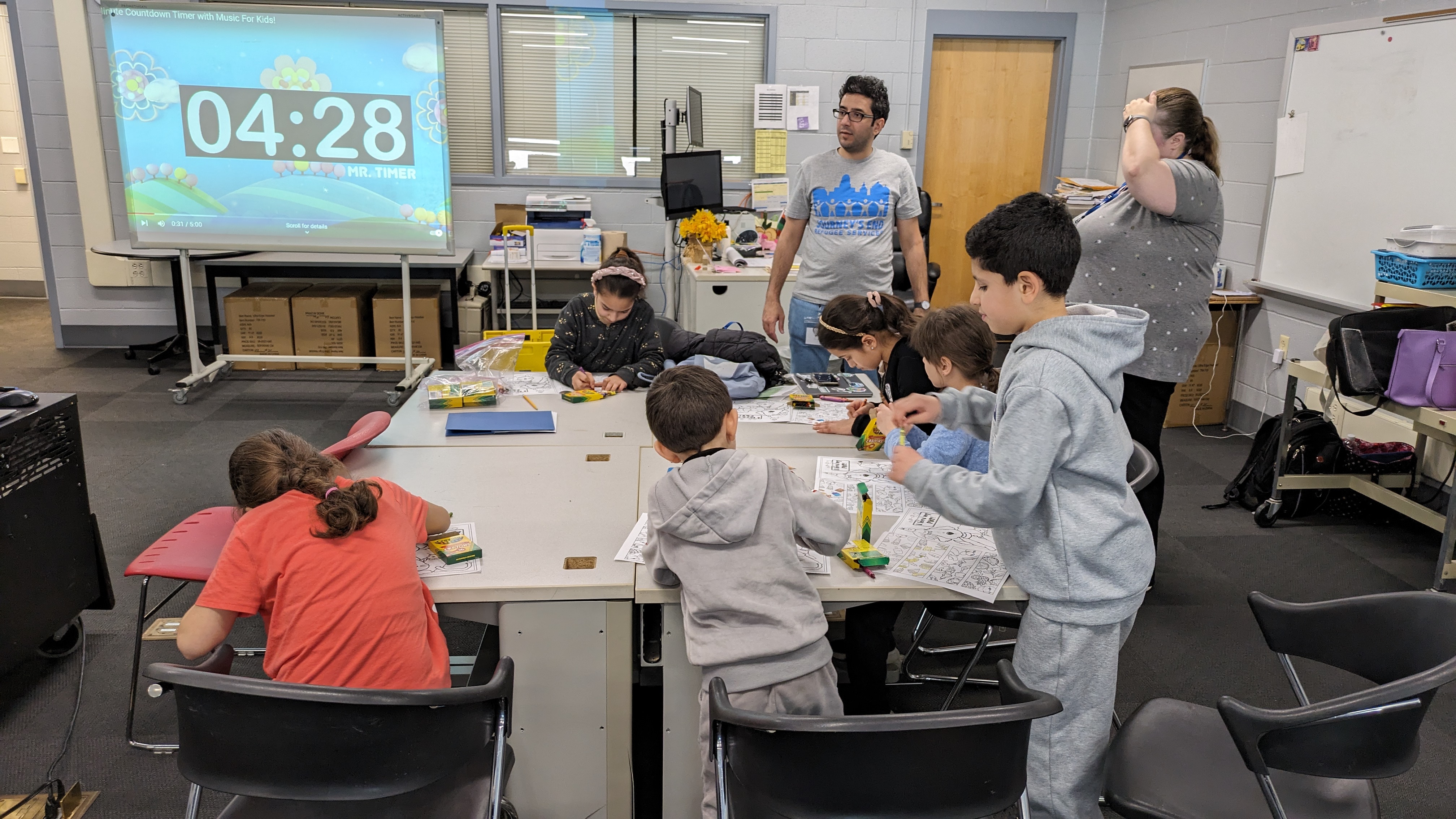
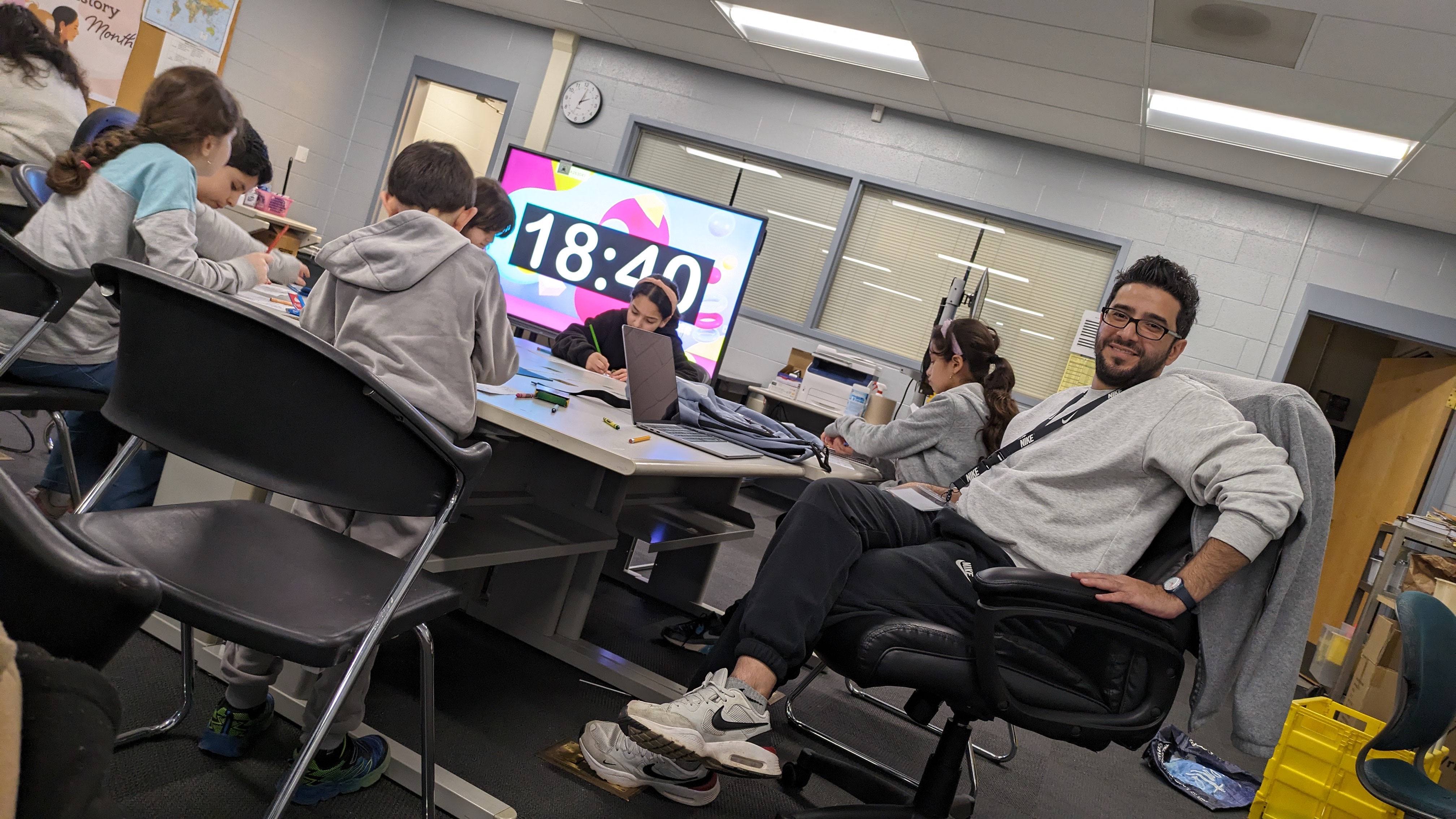
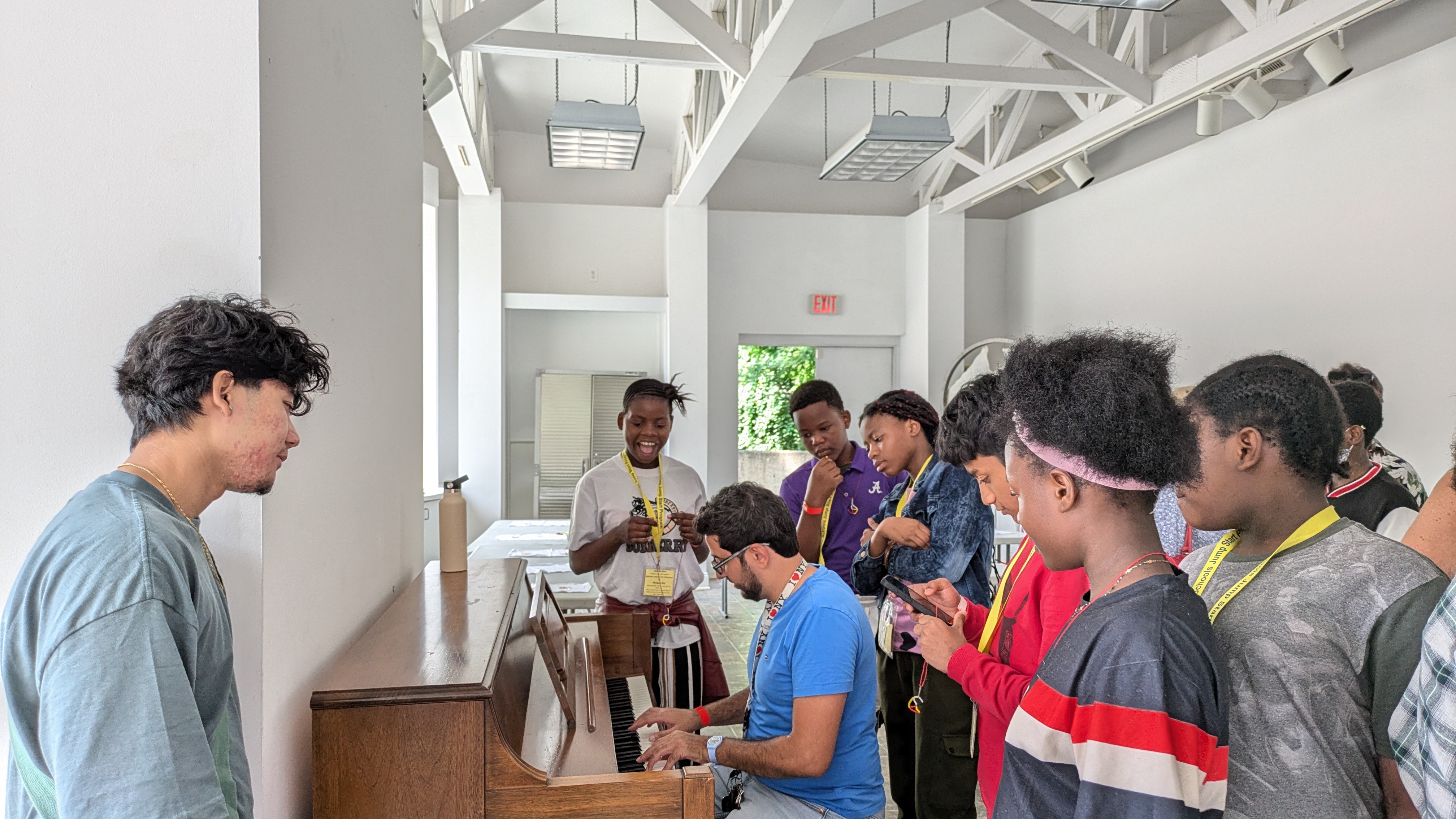
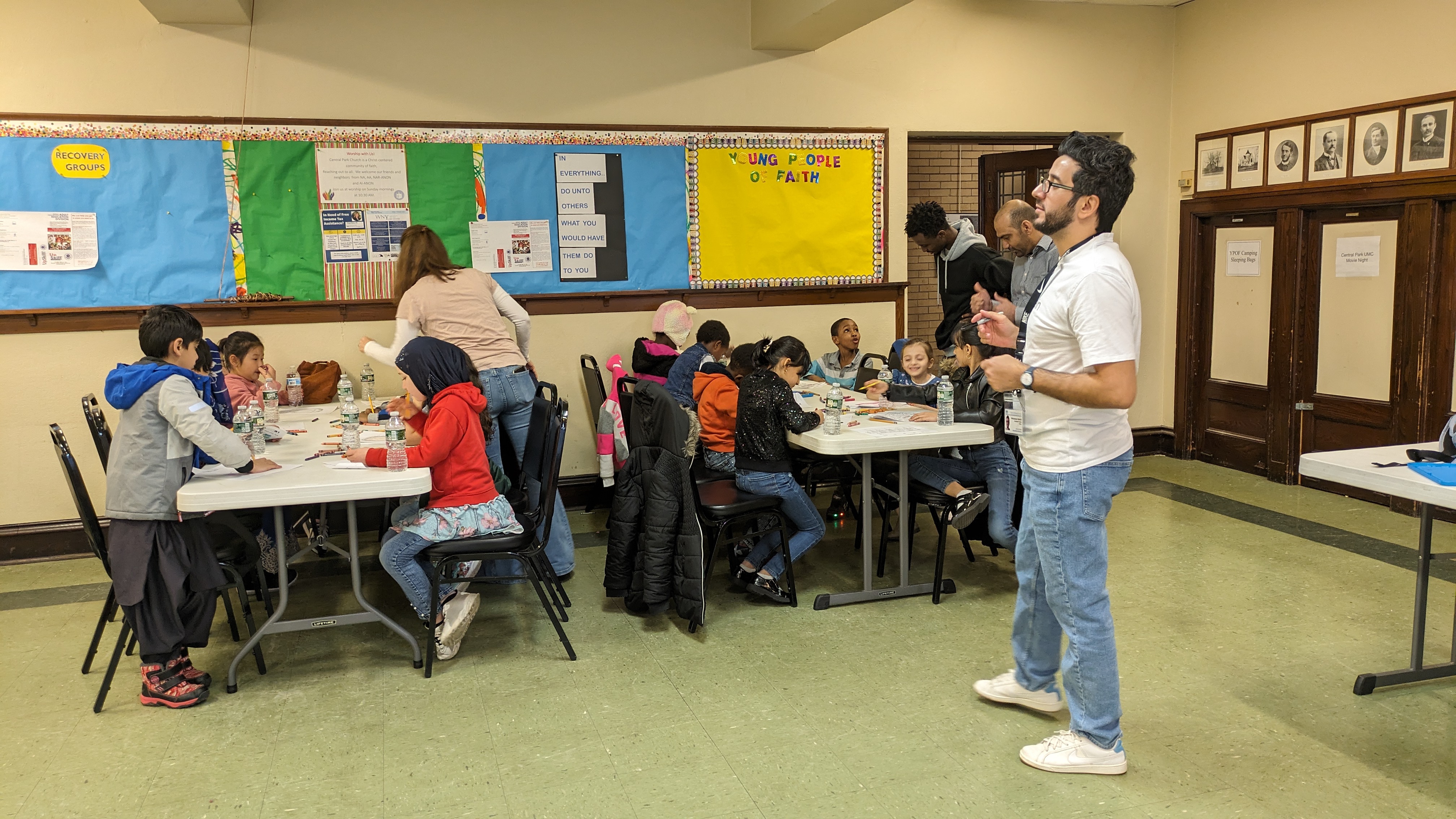
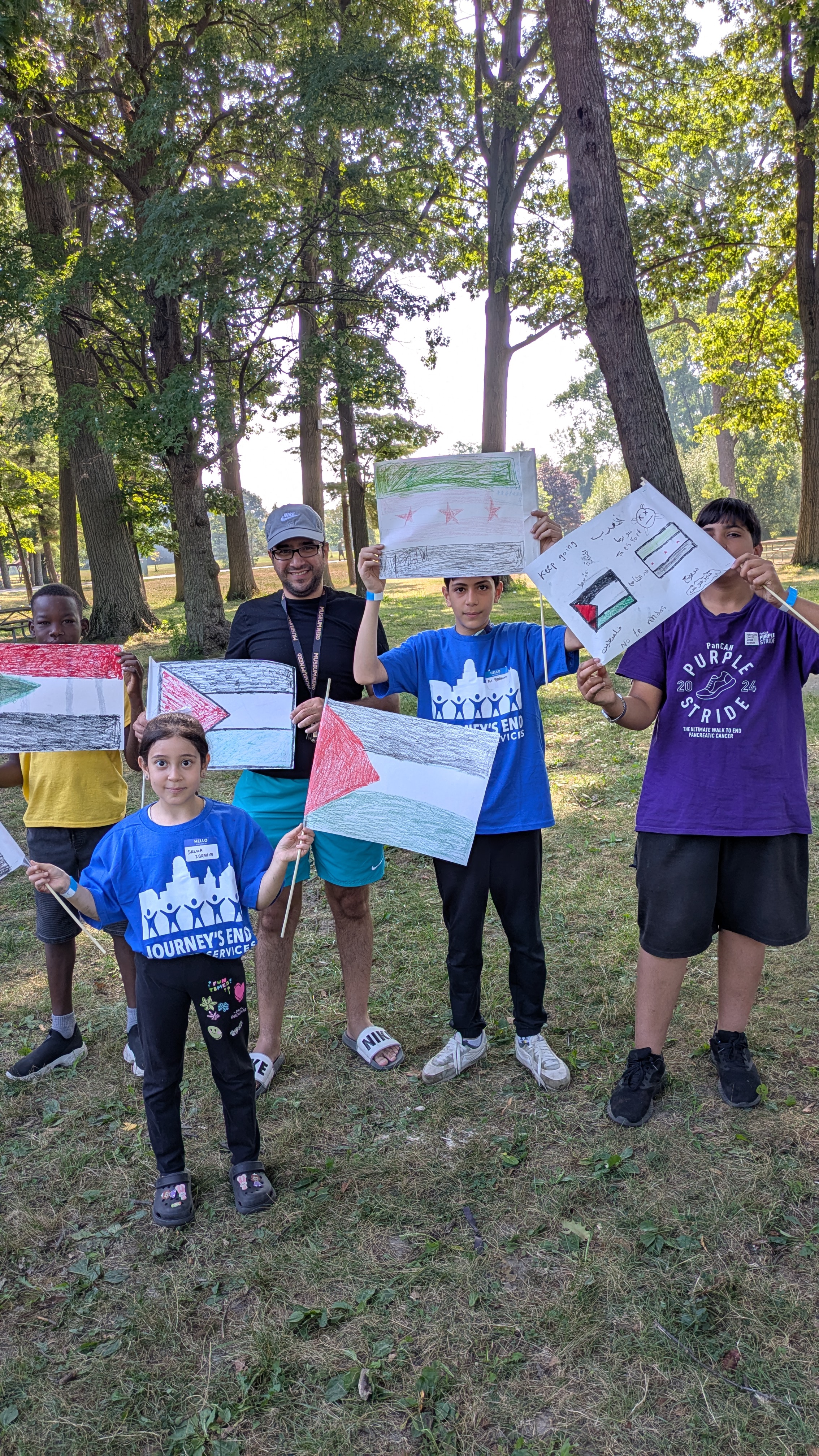
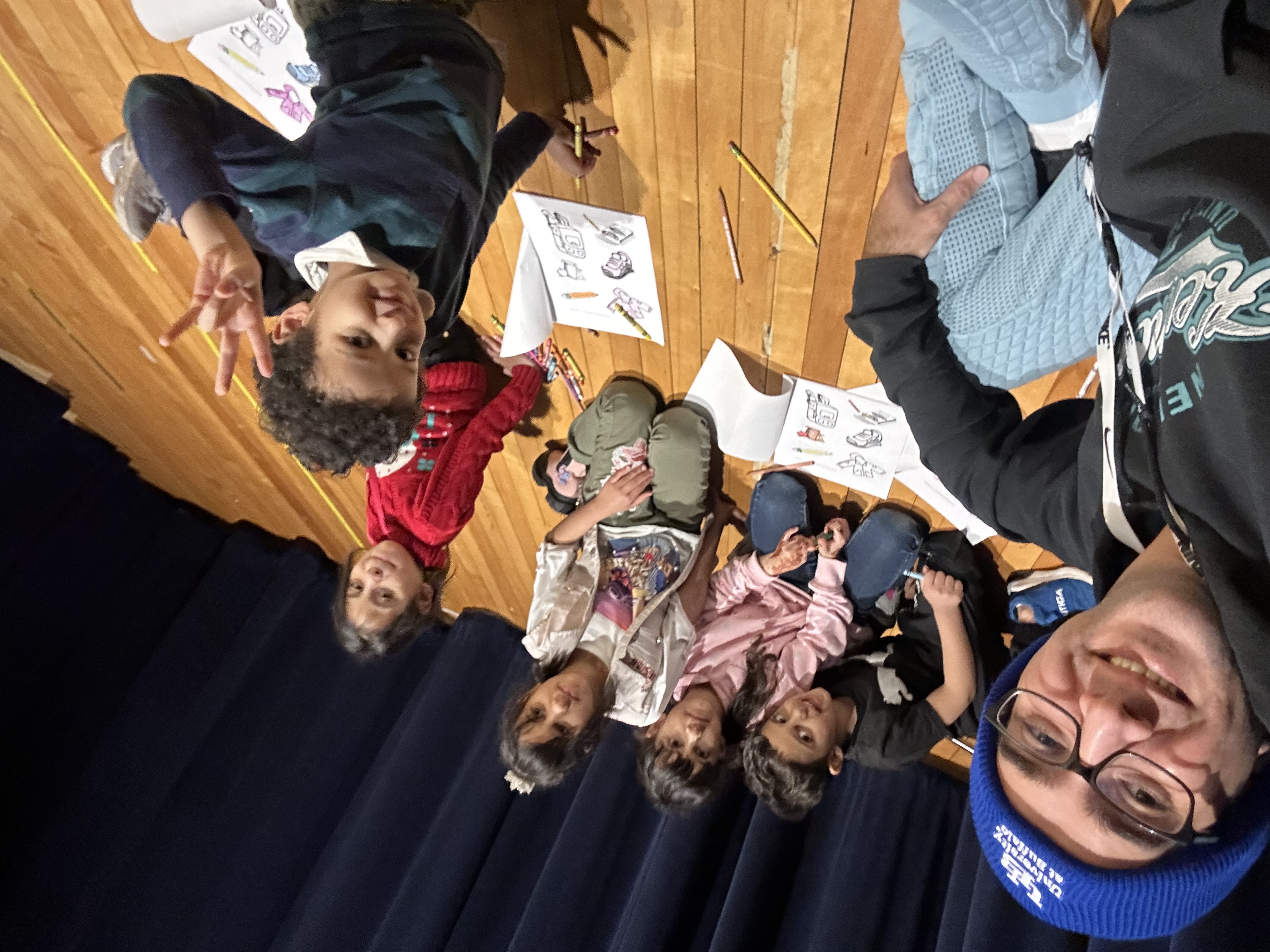
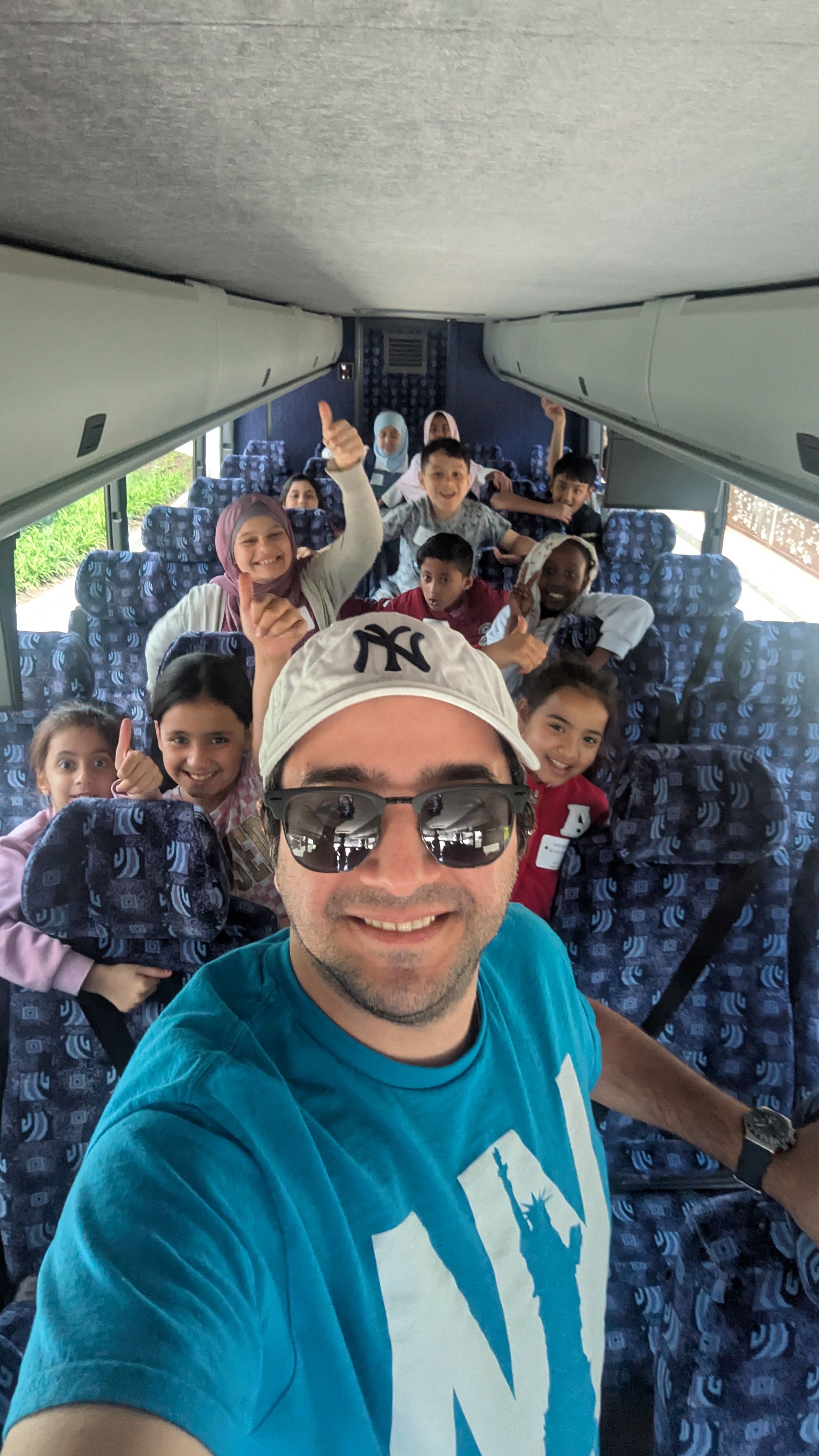
Supporting refugee and immigrant learners through academic coaching and language development at Buffalo Public Schools.
Certified Arabic–English translator with experience in educational, institutional, and humanitarian contexts.
Exploring technology-enhanced and AI-supported approaches to academic language development.
NexoLing is an AI-powered writing support tool designed for low-to-intermediate EFL/ESL learners, particularly refugee and high school students transitioning to university-level writing. Rather than correcting learners directly, NexoLing acts as a consultant: it delivers targeted hints around grammar, word choice, and mechanics that prompt learners to notice errors and revise their own writing independently.
The tool centers on argumentative paragraph writing as a foundation for academic literacy, guiding learners through a structured cycle of noticing, revising, and producing, building both micro-skill accuracy and genuine learner agency in the writing process.
Targeted prompts for tense, articles, word choice, and spelling, without giving away answers.
NexoLing guides; the learner writes. Agency is preserved throughout the revision cycle.
Scaffolded progression from sentence to paragraph to essay for academic readiness.
Designed for learners in high-need contexts, including refugee youth and transitional students.
I believe language learning is most meaningful when learners are seen as whole people, with histories, strengths, and goals that extend far beyond the classroom. My teaching is grounded in a learner-centered approach that prioritizes communicative competence, critical thinking, and the kind of authentic language use that prepares students for real academic and social contexts.
Having taught across Syria, India, and the United States, and having worked closely with refugee and immigrant learners, I understand that equity in language education is not just a value, it is a practice. I design instruction that is culturally responsive, scaffolded to meet diverse proficiency levels, and attentive to the social and emotional dimensions of learning a new language in a new country.
I am drawn to the intersection of technology and pedagogy, not as a replacement for human connection, but as a way to extend it. I explore how AI tools can support learner autonomy and agency, helping students become more reflective, independent writers and thinkers.
Exploring how artificial intelligence tools can support and enhance English language learning and teaching practices.
Investigating the evolving relationship between educators and AI systems in ESL/EFL instructional contexts.
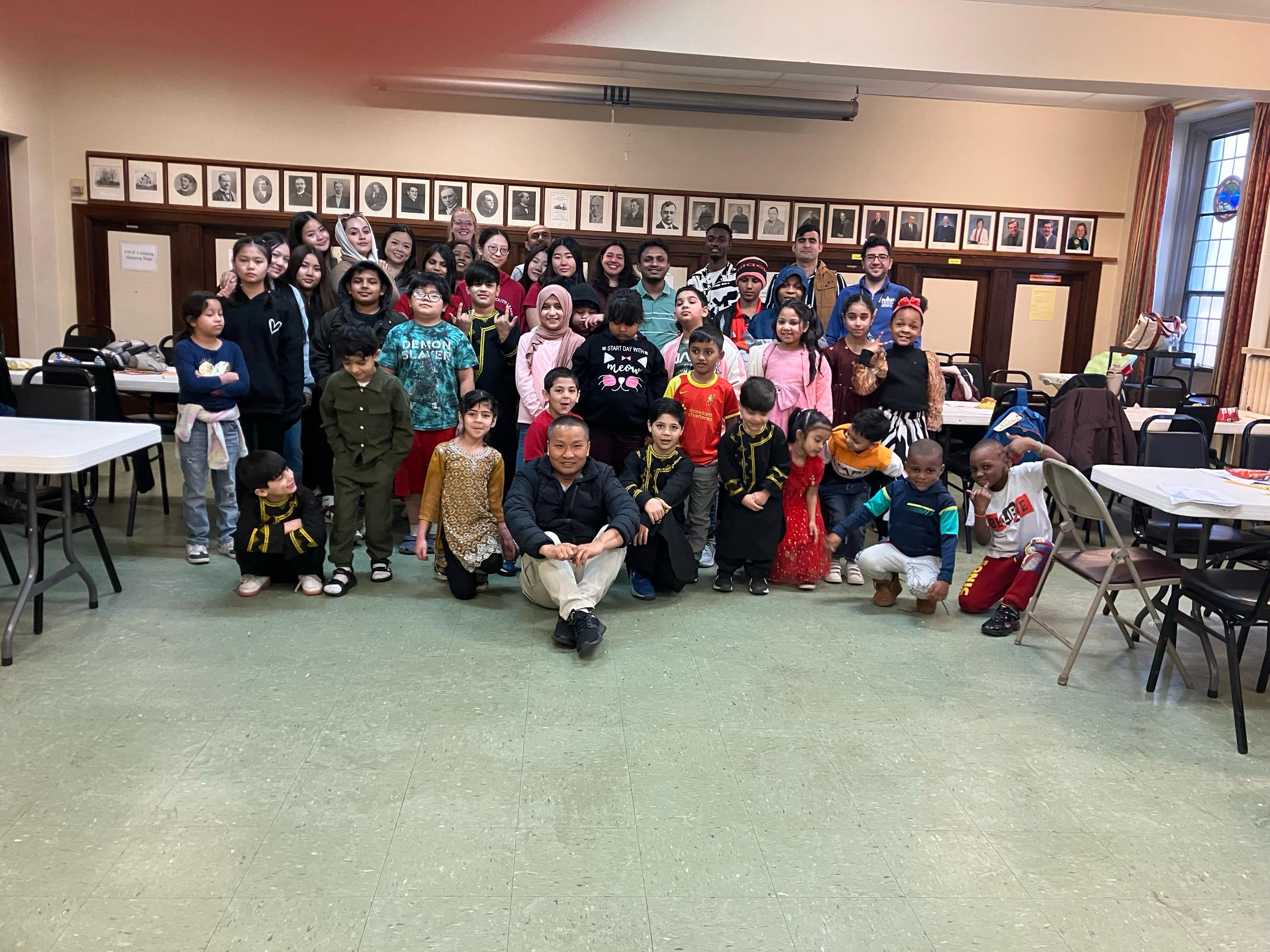
Examining language learning experiences and educational needs of refugee and migrant populations in resettlement contexts.
Studying how learner-centered approaches foster autonomy, agency, and engagement in multilingual learners.
Investigating EFL/ESL learning processes and instructional approaches for adult language learners.
Exploring best practices in preparing teachers to work effectively with diverse English language learners.
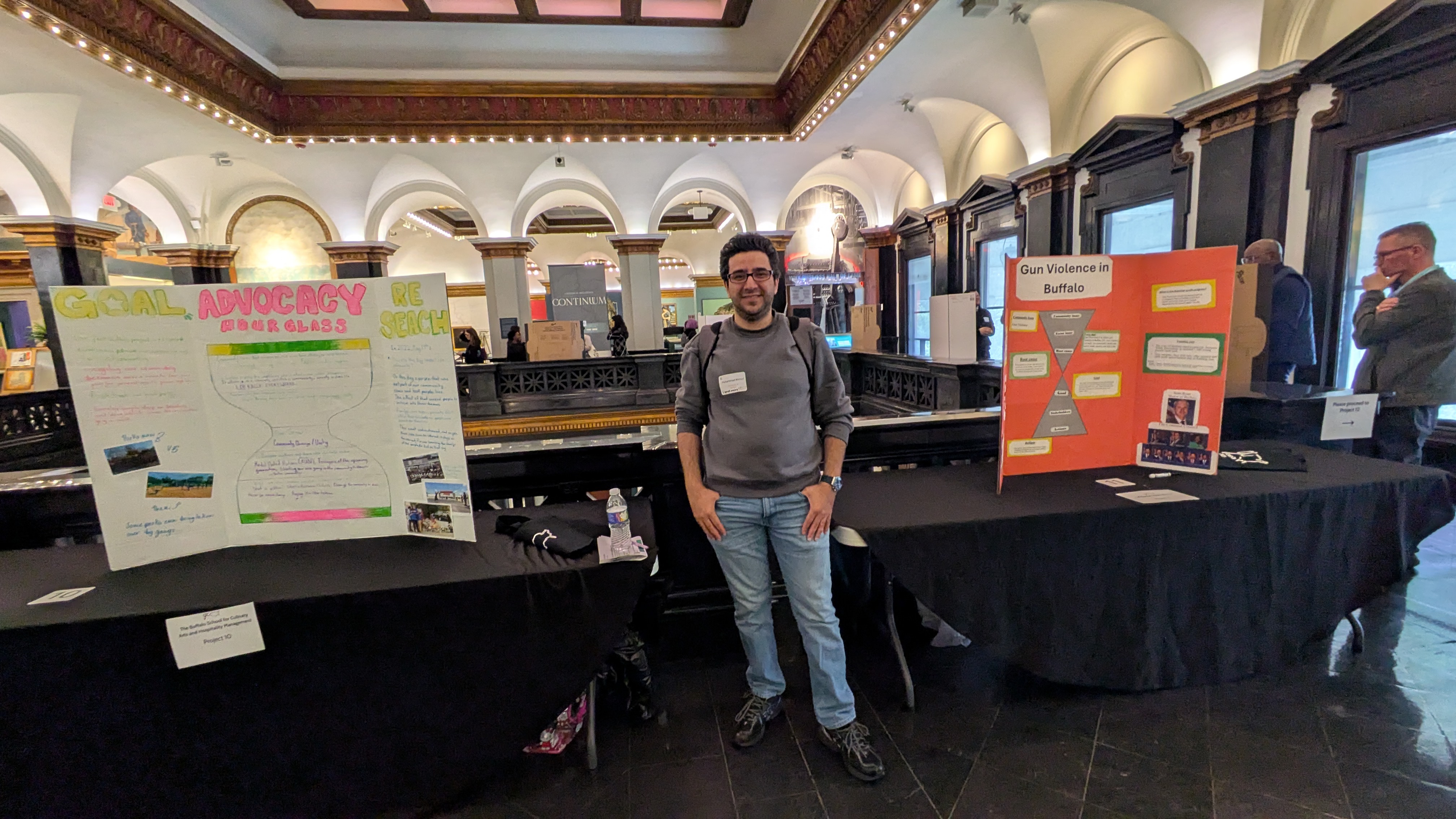
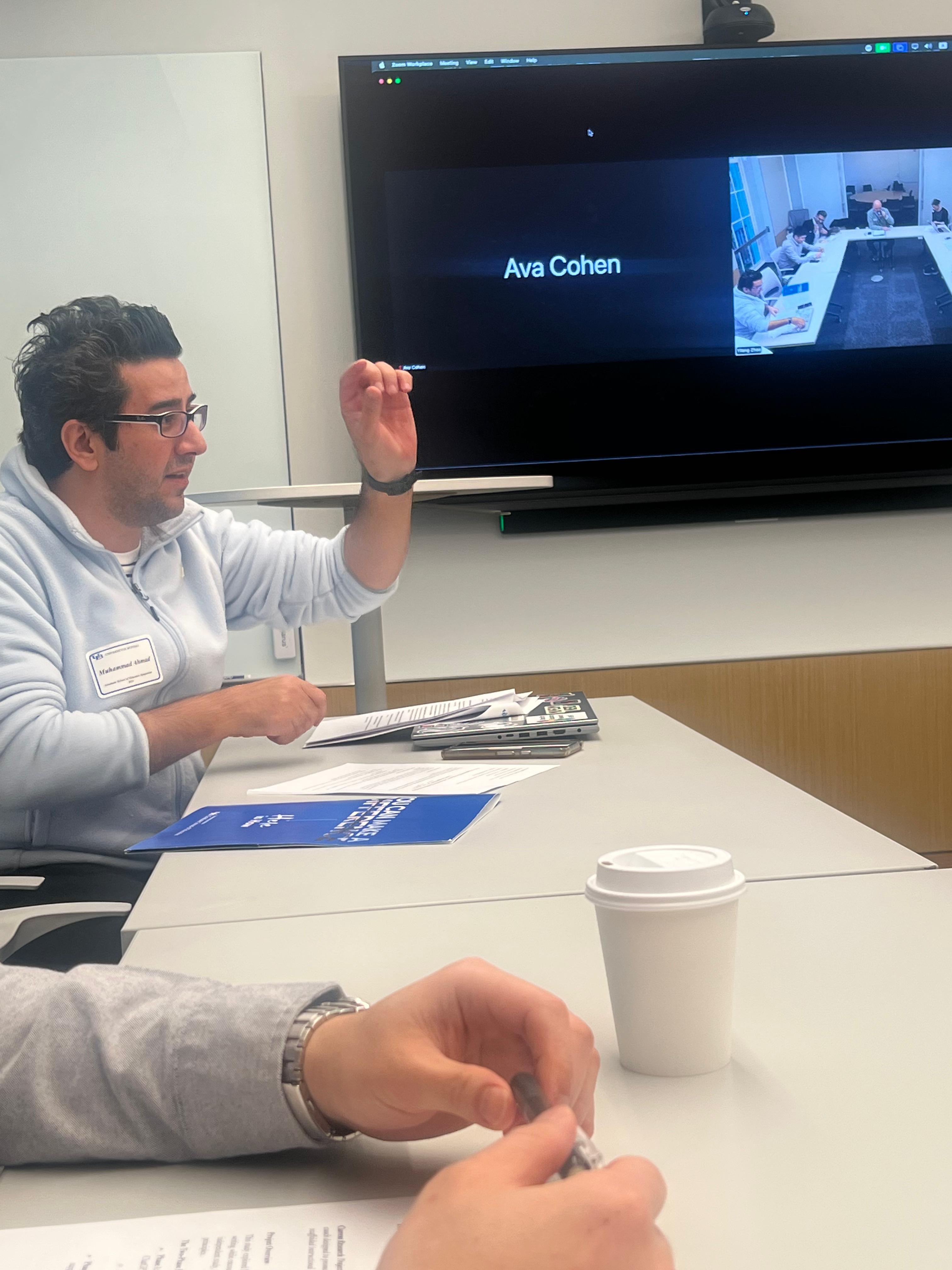
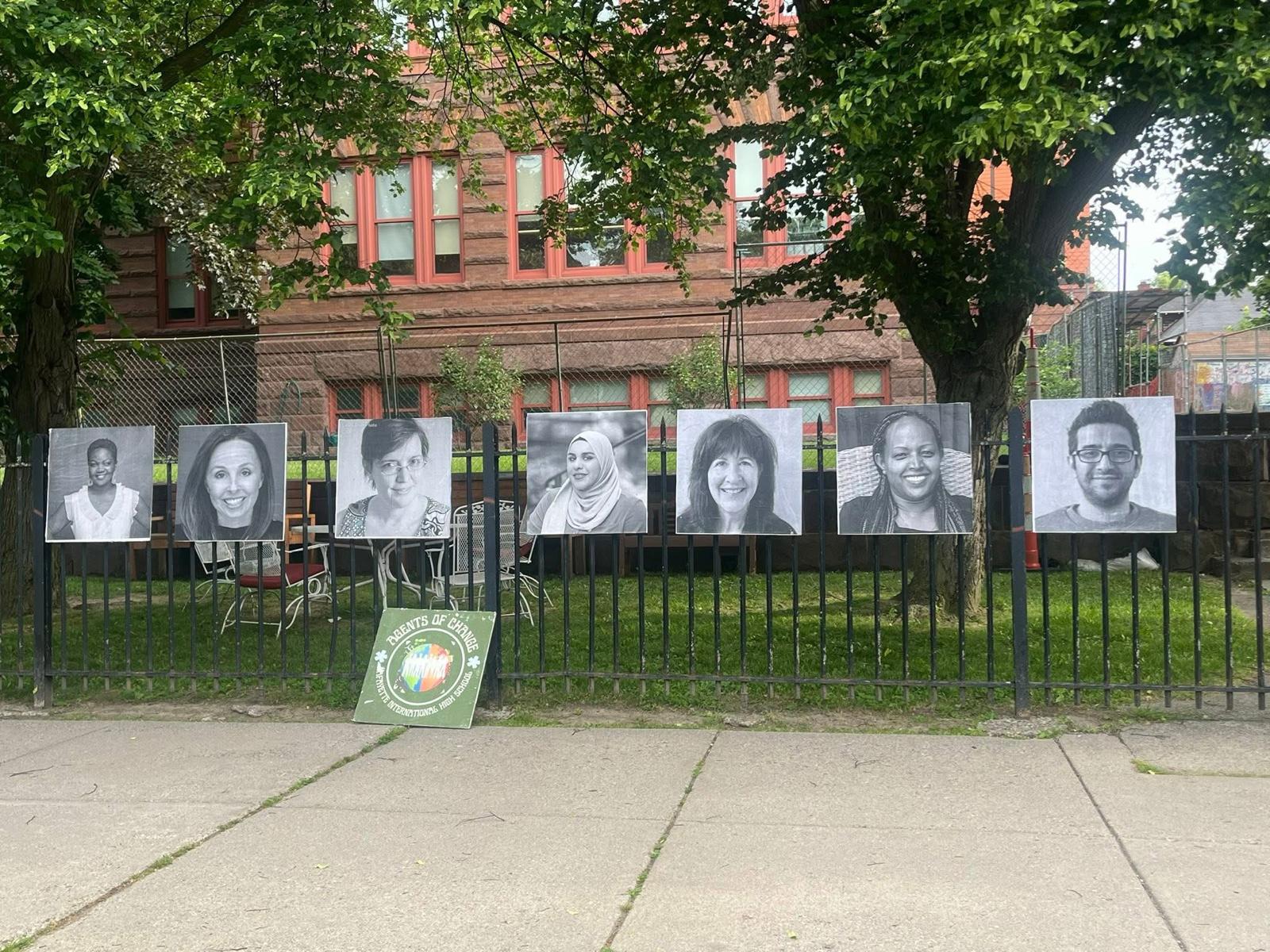
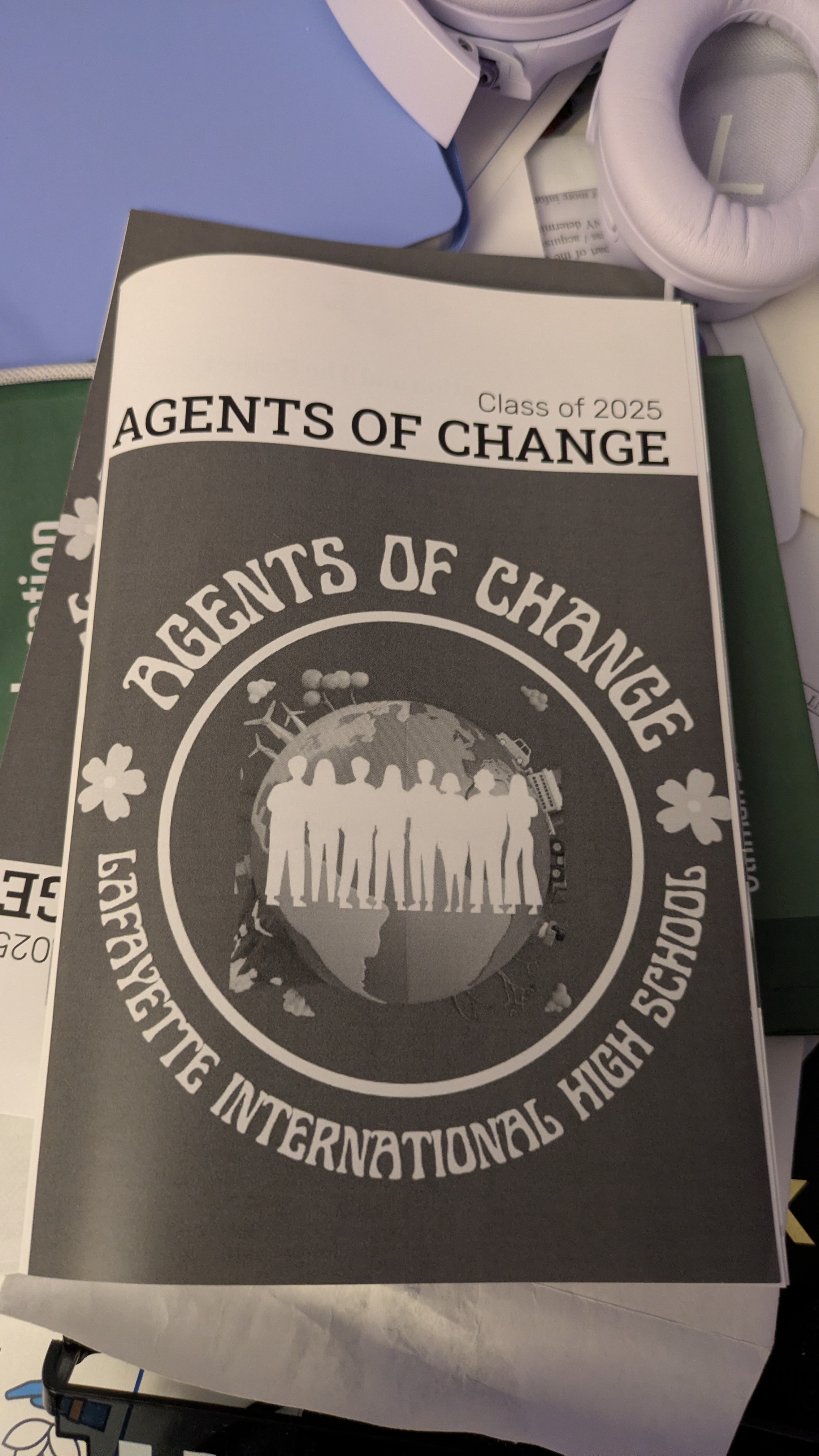
Selected by the 12th-grade teaching team and senior students at Lafayette International High School as part of their capstone community-based research project, Agents of Change, an initiative that honors individuals making a meaningful difference in the City of Buffalo, particularly through their support of newly resettled refugee and immigrant families.
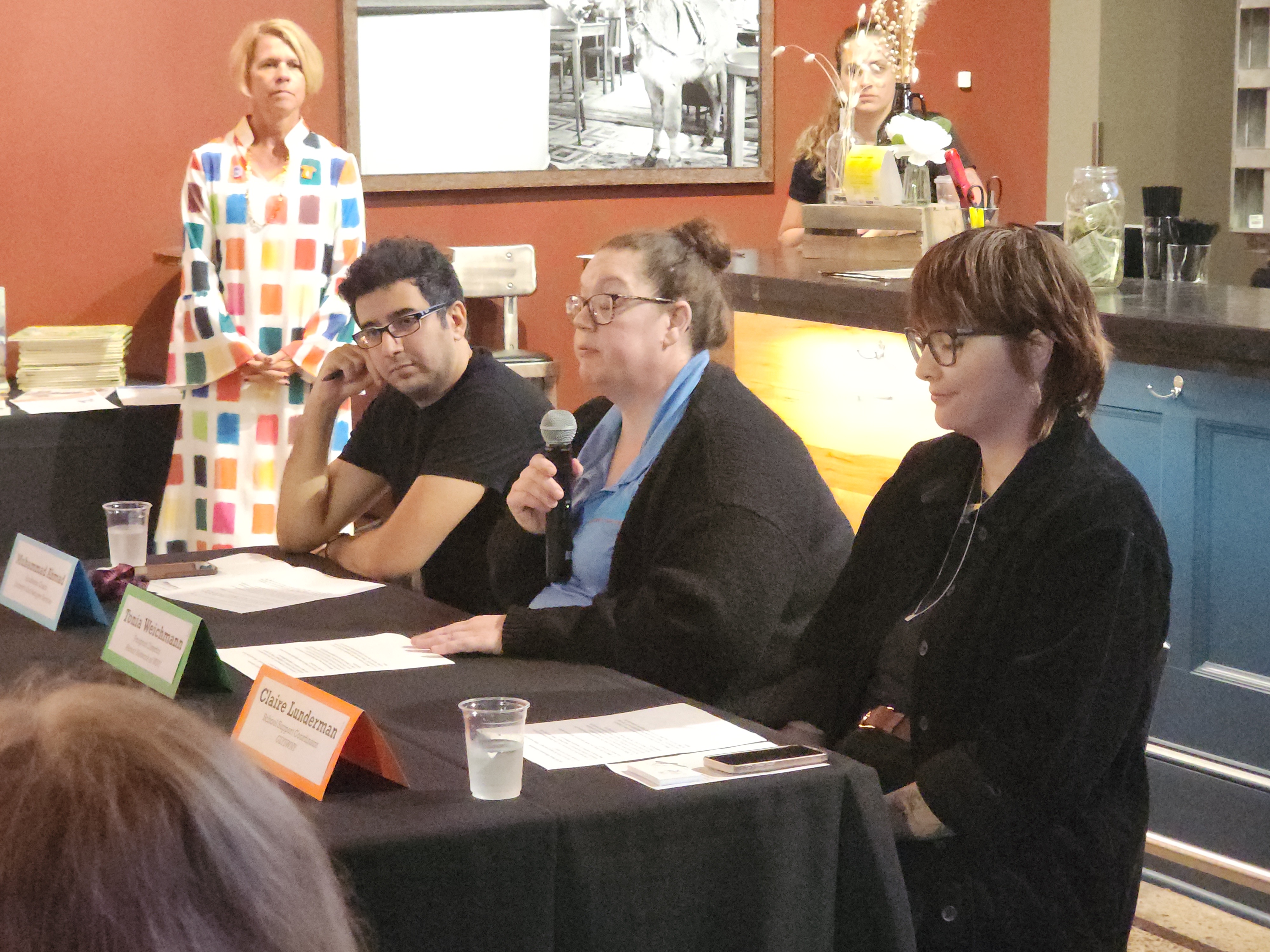
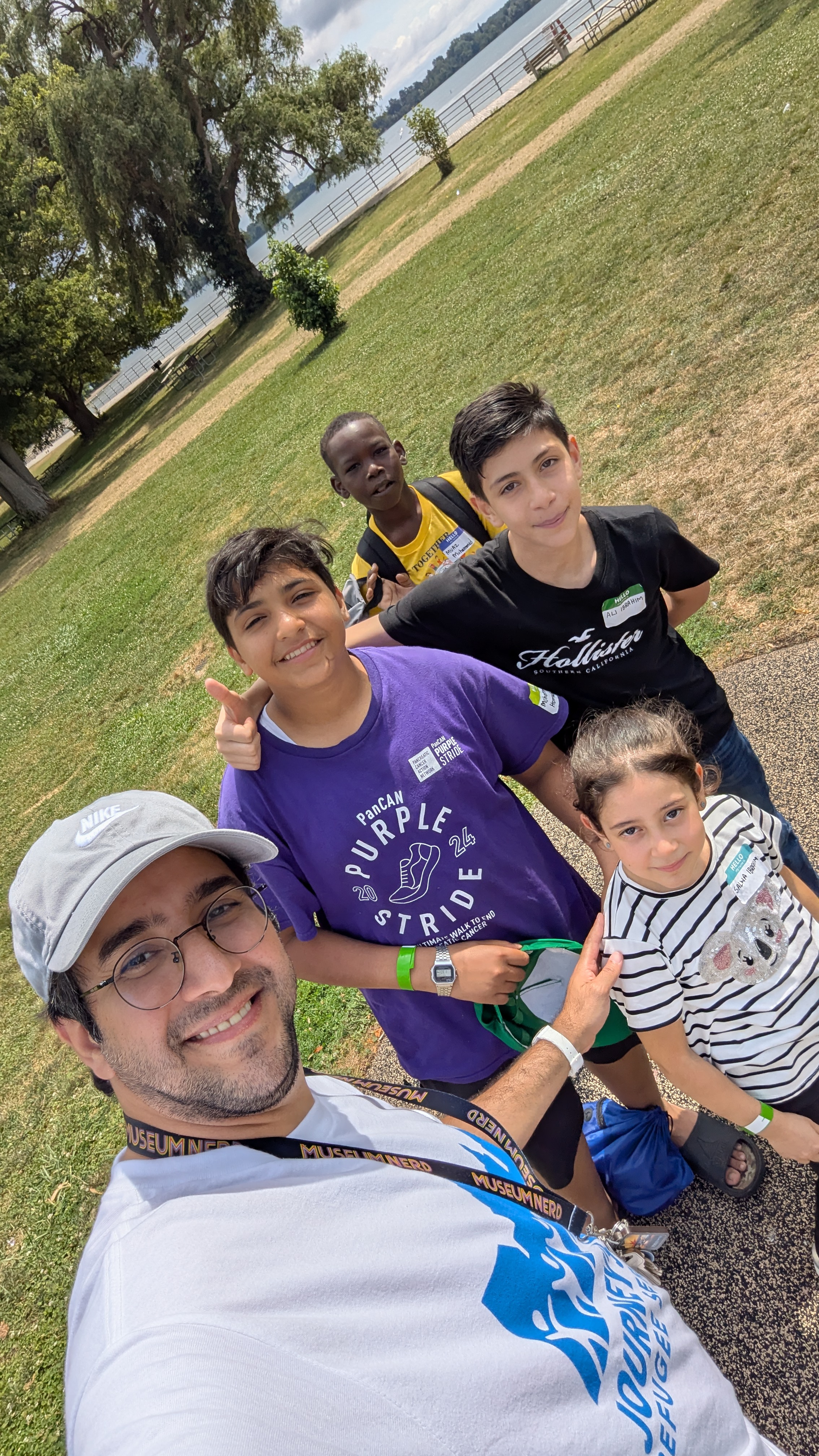
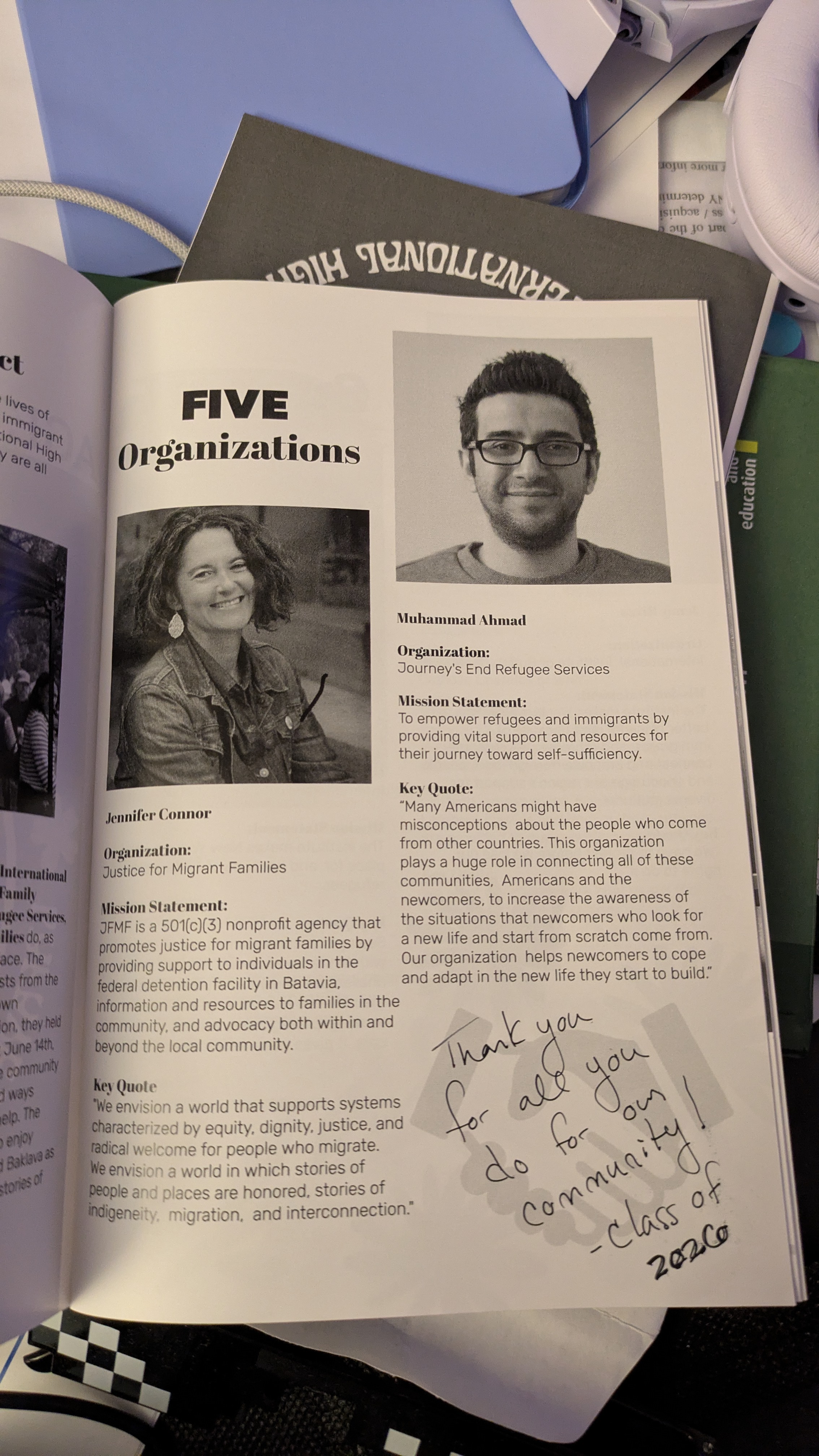
This recognition reflects the impact of Muhammad's work as an Academic Coach at Journey's End Refugee Services, supporting refugee youth and families across Buffalo Public Schools. As part of the project, he participated in a student-led interview addressing the essential question: "What do immigrants bring to the community of Buffalo, and why is pluralism vital to our democracy?"
Muhammad was honored for a second consecutive year by the Class of 2026, whose handwritten note in the project handbook reads: "Thank you for all you do for our community!" — a testament to his sustained presence and impact at Lafayette International High School.
Feel free to reach out for academic collaboration, teaching opportunities, or translation services.